
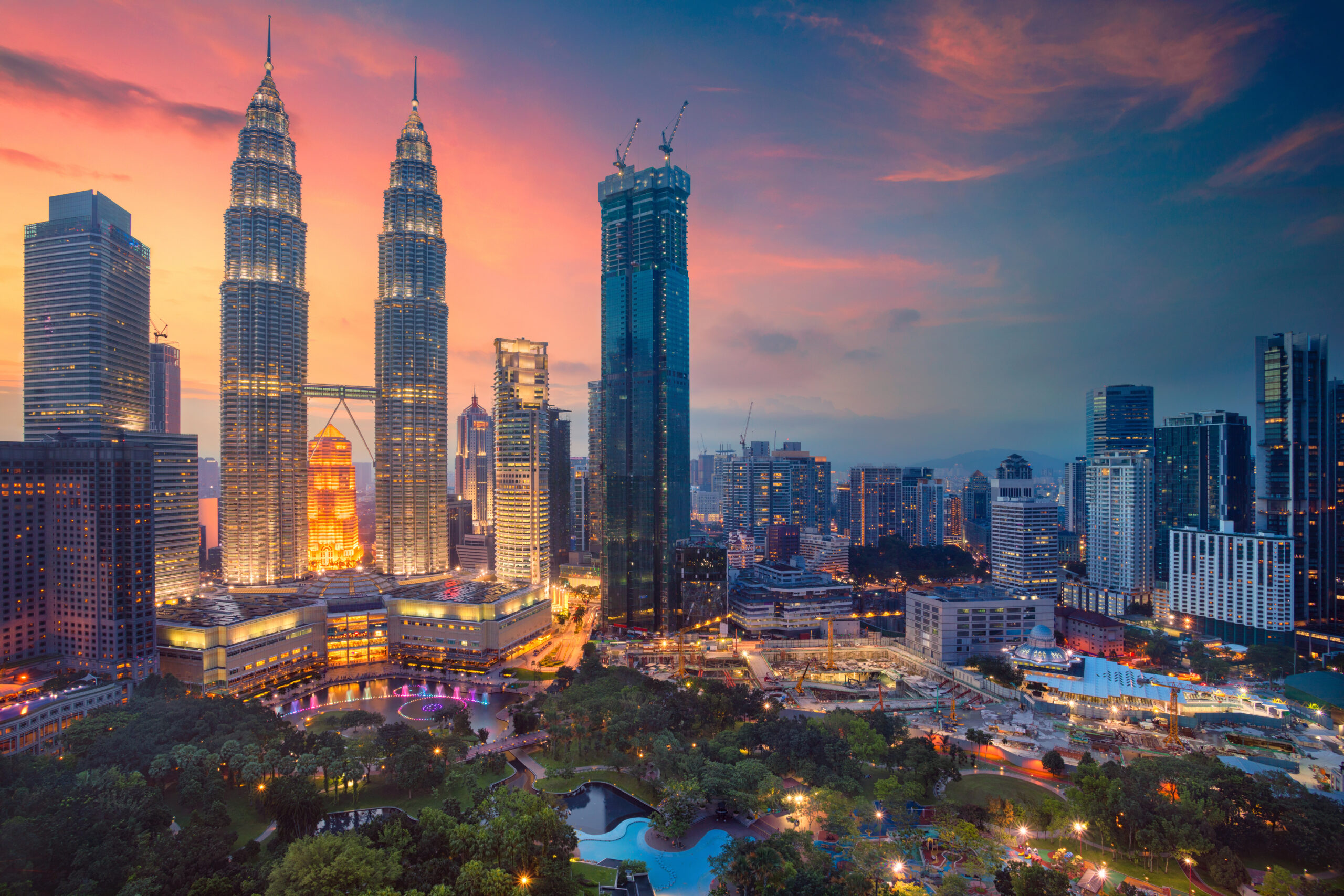
Kuala Lumpur has a way of captivating visitors and leaving a lasting impression. The iconic Petronas Twin Towers soar above a vibrant cityscape where bustling street markets overflow with colour and aroma, world-class shopping malls dominate every corner, and a rich blend of cultures influences everything from the cuisine to the architecture. For those seeking a wheelchair accessible guide to Kuala Lumpur, the city offers plenty of opportunities to explore and enjoy its unique charm, proving that it’s a destination that rewards every curious traveller, including wheelchair users.
But let’s be honest: no travel guide serves you well if it glosses over the challenges. Accessibility in KL is a mixed bag. The newer infrastructure is genuinely impressive, while some older areas require more patience and preparation. The goal of this guide is simple – to give you a real, practical picture of what navigating Kuala Lumpur looks like on wheels, so you can plan your trip with confidence and zero unpleasant surprises.

After spending time exploring this vibrant city firsthand, here’s everything you need to know about getting around, what to see, where to eat, and how to make the most of every moment.
Getting Around Kuala Lumpur
Public Transport: Trains and the MRT Network
Kuala Lumpur’s rail network is one of the city’s strongest accessibility assets. The MRT, LRT, and monorail systems connect key areas of the city, and most stations are equipped with:
- Elevators and ramps
- Wide ticket gates
- Platform-level boarding at newer stations
- Staff assistance when requested
Of all the networks, the MRT is the standout. As the newest system, it’s the most consistently accessible and reliable for step-free travel. Signage is clear throughout, and the air-conditioning is a genuine blessing given the tropical heat outside.
That said, not every older station has been fully updated, and elevator maintenance can be inconsistent. Build extra time into any journey that involves transferring between lines—it reduces stress significantly.
The LRT network presents more challenges for travellers with mobility needs. We had read many posts from other wheelchair travellers regarding how easy it is to use the LRT but we found while many stations have elevators and stair lifts installed, the majority were out of service, leaving us stranded more than once at a station. Additionally, staff we encountered at two stations were unwilling to provide assistance and we needed to “bounce” the wheelchair down two flights of steep stairs. This made navigating the system frustrating, dangerous and time-consuming.
buses: hit and miss
Kuala Lumpur’s public buses are another option for getting around the city, and they are wheelchair accessible to a degree. Most buses are equipped with ramps at the rear door, making it possible for wheelchair users to board. However, there are significant challenges to be aware of:
- Driver Assistance: We found drivers typically do not stop close to the kerb (they just stop in the middle of the road and let people jump onboard) or exit their seat to assist passengers. This means that unless a wheelchair user is travelling with a companion, they would not be able to board the bus – they would literally have to deploy the ramp themselves.
- Ramp Placement: Because buses frequently stop away from the kerb, the ramp often extends directly onto the street, placing it in the line of traffic. This can be both unsafe and inconvenient.
- Steep Incline: The angle of the ramp can be very steep when deployed onto the road, making it extremely difficult for wheelchair users to board independently.
- Payment Options: Foreigners must pay for public transport using the Touch’n’Go card with the reader located at the front entrance of the bus. This can be difficult to reach in a wheelchair. The cards must be purchased before boarding and we found them available from most 7Eleven stores.

While the buses do provide a level of accessibility, these factors can make the experience stressful and physically demanding. If you plan to use public buses, it’s worth considering these limitations and, where possible, seeking alternative transport options for a smoother journey.
grab: ride-hailing app
For door-to-door convenience, Grab is hard to beat. Southeast Asia’s answer to Uber, it’s affordable, easy to use, and allows you to message your driver directly before they arrive. That last feature is particularly useful for letting drivers know you have a wheelchair and need a moment to load up.
There’s no dedicated wheelchair-accessible vehicle service within the app, you can book a vehicle requesting “special service for people with disabilities”. This GrabAssist service provides larger vehicles, able to accommodate a folding manual wheelchair, and helpful drivers with slide boards.
Fares are very reasonable by Western standards, making Grab a practical daily option even for multiple trips. Be sure to download the app before you leave home, or as soon as you land. It is available for free download from the Apple App Store (iOS) and the Google Play Store (Android).
wheelchair accessible vans
We found two excellent companies in Kuala Lumpur that specialise in wheelchair-accessible transport, offering vans equipped with hydraulic lifts for safe and comfortable travel. Multicare Mobility Services and Love on Wheels both stood out for their professionalism, reliability, and genuinely friendly service. From the moment we made contact, communication was clear and responsive, giving us confidence in planning our transport needs ahead of time.
Both providers offer flexible options, including airport transfers, half-day or full-day bookings, and customised tours to popular attractions around the city. Vehicles are well-maintained, with trained drivers who understand accessibility requirements and take extra care to ensure a smooth experience. Whether you’re heading into the city from the airport, exploring landmarks like Bukit Bintang or KL Sentral, or planning a full sightseeing day, these services make getting around Kuala Lumpur far more manageable.
We recommend reaching out to them in advance via their websites or WhatsApp to discuss your itinerary, confirm availability, and ensure the vehicle suits your specific needs. Booking ahead is especially important during peak travel periods, as accessible transport options can be limite
walking and footpaths
We prefer to walk or roll wherever possible when exploring a city, as it allows us to better connect with its energy and people. In Kuala Lumpur, ongoing urban renewal means construction is widespread, which can impact pedestrian accessibility.

Footpath conditions vary significantly, even in central areas like KLCC and Bukit Bintang. While many streets feature smooth pavements, curb ramps, and well-maintained pedestrian zones, we also encountered uneven or obstructed paths, including construction works, parked motorbikes, poles, and street vendor stalls. Bollards have also been installed along many footpaths to deter scooters and motorbikes from entering pedestrian areas. Some are thoughtfully designed with spacing that accommodates wheelchairs and prams, while others are narrower and can present additional access challenges.

Although these challenges didn’t detract from our overall experience, navigating the city did require extra time, patience, and flexibility.

One standout feature that significantly improves accessibility in central Kuala Lumpur is the network of elevated, covered walkways. These above-ground connections link major shopping centres, hotels, and key precincts – particularly between Bukit Bintang and KLCC – offering a smooth, sheltered, and largely step-free way to move through the city. Protected from heat and rain, and with consistent surfaces, these walkways provide a far more reliable and comfortable alternative to navigating busy streets below.
Top Accessible Attractions in Kuala Lumpur
Petronas Twin Towers and KLCC Park
The Petronas Twin Towers are not only one of the world’s most iconic landmarks – they’re also one of KL’s most accessible attractions. Step-free entrances, elevators to the observation decks, and accessible toilets make this a smooth visit from start to finish.
How to Purchase Tickets
Tickets to the Petronas Twin Towers can be purchased in several ways, making it convenient for all visitors:
- Online: The easiest and most recommended option is to book tickets online through the official Petronas Twin Towers website. This allows you to select your preferred time slot and avoid long queues.
- On-Site: Tickets can also be purchased at the ticketing counter located on the Concourse Level of the towers. However, availability may be limited, especially during peak hours or weekends, so arriving early is advised.
- Third-Party Platforms: Sites such as Klook and Get Your Guide also offer tickets, often bundled with guided tours or other attractions in Kuala Lumpur.

Protip: If you wish to visit the towers and are in a wheelchair, them via email at [email protected] prior to your visit. Unfortunately there is no discount for people with disabilities.
KLCC park
The surrounding KLCC Park is equally well-suited to wheelchair users, with smooth pathways, shaded areas, and unbeatable skyline views. It’s a great place to decompress between activities without compromising on scenery. The park also features accessible seating areas and restrooms, and a fun water play feature for children, making it a comfortable spot to relax or enjoy a picnic.
There is an amazing playground in KLCC Park that was undergoing renovations at the time of our visit. This work is expected to continue well into 2027.

Each evening, the KLCC Park transforms into a magical spectacle with its nightly light and fountain show. The synchronized display of colourful lights, music, and water jets is a must-see. The best views are from the bridge path. It’s the perfect way to end your visit to the Petronas Twin Towers.

petaling street
Petaling Street is KL’s famous Chinatown – vibrant, loud, and full of life. The main street features a flat surface with a wide central walkway. It is easily accessible by bus, train or Grab. The biggest challenge is crowd density, particularly in the evenings and on weekends. It can also be tricky to navigate around scooters weaving through the market, especially during busier periods.
Protip: An early morning visit makes for a far more relaxed experience.

central market
Central Market, just a short roll away, is one of the most wheelchair-friendly cultural venues in the city. Step-free entrances, smooth indoor flooring, wide aisles, and accessible restrooms all contribute to a genuinely comfortable visit. There is an elevator to access the upper floor, but this was out of service during our visit.
The market building is fully air-conditioned, which makes it a natural midday refuge. Inside, you’ll find Malaysian handicrafts, batik clothing, and local food stalls. This is the perfect spot to pick up a meaningful souvenir and a delicious meal.
merdeka square
Merdeka Square is the historic heart of Kuala Lumpur, where Malaysia’s independence was declared in 1957. This iconic landmark is surrounded by a rich tapestry of heritage buildings that reflect the city’s colonial past and architectural diversity.
The Sultan Abdul Samad Building stands as the centrepiece directly facing the square. This spectacular building features a stunning Moorish-inspired design, intricate arches, and a towering clock. In the evening, the building comes alive with a spectacular light display, offering excellent photo opportunities from the flat viewing areas along the square.

Nearby, you’ll find the Royal Selangor Club, a charming Tudor-style structure that once served as a social hub for British elites. On the opposite side, the Kuala Lumpur City Gallery provides a glimpse into the city’s history and culture, featuring exhibits, maps, and the iconic ‘I ❤️ KL’ sculpture. The square is also bordered by St. Mary’s Cathedral, one of the oldest Anglican churches in Malaysia, showcasing Gothic architectural elements. Wide open spaces, flat pathways, and smooth paved surfaces make it easy to explore comfortably, whether you’re admiring the historic buildings, enjoying the lush greenery, or soaking in the vibrant atmosphere of this symbolic site.

Batu Caves: Partial Accessibility
No guide to Kuala Lumpur would be complete without mentioning Batu Caves – a cultural and spiritual landmark that is as iconic as it is breathtaking. However, it’s important to have an honest conversation about accessibility.

The dramatic 272-step staircase, painted in vibrant rainbow hues, leads to the main Temple Cave and is not wheelchair accessible, presenting a significant challenge for those with mobility limitations. That said, the experience at Batu Caves is far from limited to the climb. The towering 42.7metre (140-foot) golden statue of Lord Murugan, one of the tallest of its kind in the world. It is a sight to behold and offers a stunning photo opportunity from the ground level.
The surrounding plaza is partially accessible, allowing visitors to soak in the lively cultural atmosphere, complete with bustling food stalls offering local snacks and drinks, as well as souvenir shops. For those unable to ascend the staircase, there are other fascinating attractions to explore. The Ramayana Cave, located at the base of the hill, features a series of colourful dioramas depicting scenes from the Hindu epic Ramayana, illuminated in a mystical glow. The Art Gallery Cave and Museum Cave house intricate statues, paintings, and artifacts that narrate stories of Hindu deities and mythology, providing a rich cultural and educational experience.

Additionally, the area is home to a thriving population of cheeky macaque monkeys, which are both entertaining and mischievous—though visitors should exercise caution with food and belongings. Whether you’re there to admire the spiritual significance, marvel at the natural limestone formations, or simply enjoy the vibrant energy of the site, Batu Caves offers a unique and memorable experience for all visitors, even if some areas require careful planning to navigate.
Shopping Malls: An Accessibility Win
Kuala Lumpur’s mega malls deserve their own spotlight. They’re a defining feature of the city and a haven for wheelchair users, offering some of the best accessibility features you’ll find in Kuala Lumpur. Expect elevators and escalators throughout, smooth and level flooring, wide corridors, and clean, well-maintained accessible bathrooms equipped with grab bars and emergency call buttons.
All malls provide dedicated parking spaces for those with disabilities and wheelchair-friendly entrances. The air-conditioned interiors offer a welcome escape from the tropical heat, and many malls are directly connected to train stations via covered walkways or ramps, eliminating the need to navigate outdoor terrain altogether.
Our top picks include:
- Pavilion KL: Located in the heart of Bukit Bintang. This mall is well-connected to public transport and features spacious elevators, accessible restrooms, and a wide variety of dining and shopping options.
- Suria KLCC: Attached to the iconic Petronas Twin Towers, this mall is extremely accessible, with ramps, elevators, and plenty of seating areas. It also offers direct access to the KLCC LRT station and the beautifully landscaped KLCC Park, which has flat pathways for easy navigation.
- Mid Valley Megamall: One of Southeast Asia’s largest malls, it is fully accessible with numerous elevators, wheelchair-friendly restrooms, and a wide range of shops and eateries. It’s also connected to The Gardens Mall, offering a seamless shopping experience.
- The Gardens Mall: Known for its premium shopping and relaxed atmosphere, this mall features excellent accessibility, including spacious layouts, clean accessible bathrooms, and a quieter environment for those seeking a more leisurely experience.
- Sunway Pyramid: A destination in itself, this Egyptian-themed mall offers diverse dining options, entertainment like an ice-skating rink, and excellent accessibility features, including elevators, ramps, and accessible restrooms. It’s also connected to the Sunway Lagoon theme park and hotels, making it ideal for a full day out.

These malls aren’t just shopping destinations – they’re reliable rest stops, dining hubs, and accessibility anchors that make exploring the city more convenient and enjoyable. Whether you’re looking to shop, dine, or simply take a break, KL’s malls provide a comfortable and inclusive environment for all visitors.
Food and Dining Accessibility
Malaysian food is extraordinary, and you’ll want to savour as much of it as possible. The good news is that there are accessible options to suit every budget, appetite, and dining style, from humble hawker stalls to Michelin-starred establishments.
Mall Food Courts and Restaurants
The most seamless dining experiences are found inside KL’s malls, where accessibility is prioritized. Food courts offer tremendous variety, featuring Malaysian classics like nasi lemak, char kway teow, and laksa, alongside international cuisines. These spaces are designed with step-free access, spacious layouts, and accessible bathrooms nearby, making them ideal for wheelchair users. Restaurants within malls often provide comfortable, well-spaced seating and attentive service, ensuring a hassle-free dining experience.

Michelin-Starred Restaurants
For those seeking a more elevated culinary experience, Kuala Lumpur is home to several Michelin-starred and Michelin-recognized restaurants. These establishments combine exquisite flavours with refined settings, many of which are wheelchair accessible. Highlights include:
- Dewakan: Malaysia’s first Michelin-starred restaurant, offering a modern take on Malaysian ingredients in a sleek, accessible space.
- DC by Darren Chin: A fine-dining experience blending French techniques with local flavors, housed in a multi-level venue with accessible seating on the ground floor.
- Nadodi: Known for its innovative South Indian-inspired tasting menus, this restaurant offers a luxurious yet welcoming atmosphere with staff ready to assist with accessibility needs.
- Lai Po Heen: Located in the Mandarin Oriental, this Michelin-recognized restaurant serves exquisite Cantonese cuisine in an elegant, wheelchair-friendly setting.
Street Food and Hawker Stalls
Street food is where KL truly shines, offering a vibrant and authentic culinary experience. However, it does come with accessibility challenges. Narrow walkways, dense crowds, low plastic tables, and limited space can make navigating hawker stalls tricky for wheelchair users. That said, many outdoor food courts, such as Jalan Alor and Taman Connaught Night Market, have more open layouts, and visiting during quieter hours can make the experience more manageable. Staff at these stalls are generally warm and accommodating, often willing to rearrange seating or assist if you ask – don’t hesitate to do so.

Accessible Food Gems
For a balance of accessibility and authentic flavours, consider visiting food courts like Lot 10 Hutong, a curated collection of famous hawker stalls housed in an air-conditioned, wheelchair-friendly environment.
Another great option is Madam Kwan’s, a popular chain serving Malaysian favourites in a comfortable, accessible setting.Whether you’re indulging in a Michelin-starred tasting menu, exploring the variety of mall food courts, or braving the bustling hawker stalls, Kuala Lumpur offers a culinary adventure that’s as diverse as it is delicious. With a bit of planning and flexibility, you can enjoy the best of Malaysian cuisine in an accessible and enjoyable way.
Hotels and Accommodation
Kuala Lumpur offers a strong range of accessible accommodation options, particularly among international hotel chains in the KLCC and Bukit Bintang neighbourhoods. During our stay, we opted for an apartment booked via Airbnb, which was accessible with elevators and wide bathrooms. Its location in Bukit Bintang was perfect, placing us within walking or rolling distance of many attractions, restaurants, and shopping areas.
While the apartment itself was not specifically designed for wheelchair users, we always travel with a portable shower chair, which allows us to stay in apartments or hotel rooms that may not have fully equipped accessible bathrooms. This small piece of equipment has been a game-changer for us, providing flexibility in our accommodation choices.
When booking accommodations, we’ve learned that a little extra research and communication can go a long way in ensuring a stress-free stay. Before confirming any booking, we always check four key points with the property or booking agent:
- Wheelchair accessibility: It’s surprising how many properties claim to be wheelchair accessible but have stairs at the front entrance or other barriers.
- Roll-in shower availability: This is essential for us, as it ensures ease and safety during our stay.
- Elevator access throughout the property: Especially for multi-story buildings, this is non-negotiable.
- Exact door width measurements: This detail is often overlooked but can make or break accessibility for wheelchair users.
A quick email or call to confirm these details before booking has saved us countless headaches upon arrival.
RECOMMENDATIONS
While staying in Bukit Bintang, we also took the opportunity to inspect two nearby hotels that offer wheelchair-accessible rooms, and we were impressed by their thoughtful design and accessibility features.
- citizenM Kuala Lumpur Bukit Bintang: This hotel offers an accessible King Room that is both stylish and functional. The room is spacious, with plenty of maneuvering space for a wheelchair, and the bathroom is well-equipped with grab bars and a roll-in shower. The modern design and central location make it a great option for travelers seeking comfort and convenience.
- Grand Mercure Kuala Lumpur Bukit Bintang: The accessible Deluxe Room with a City View and King Bed at this hotel is another excellent choice. The room is generously sized, with wide doorways and a bathroom designed for accessibility, including a roll-in shower and grab bars. The hotel’s amenities and prime location in Bukit Bintang add to its appeal for wheelchair users.
Both hotels demonstrated a clear commitment to accessibility, and their staff were knowledgeable and accommodating when we inquired about their facilities. For wheelchair users visiting Kuala Lumpur, these hotels are fantastic options to consider, offering both comfort and accessibility in the heart of the city.
Weather, Timing, and Practical Tips
Kuala Lumpur is hot and humid throughout the year, and that has a real impact on how much outdoor time is comfortable. Planning around the heat makes a significant difference to your overall experience.
A few practical habits worth building into your trip:
- Start outdoor sightseeing early in the morning or in the evening to avoid peak heat
- Use KL’s malls and air-conditioned attractions as midday rest stops
- Carry water at all times—dehydration creeps up fast
- Bring a compact umbrella or sunshade; sudden afternoon rain showers are common
- Plan shorter outdoor routes and use Grab to cover larger distances
The city’s covered walkways connecting malls and train stations become enormously useful during downpours, so it’s worth mapping these out in advance as part of your route planning.
So, Is Kuala Lumpur Wheelchair Friendly?
The honest answer is: it’s a city in progress – and a rapidly improving one.
KL’s strengths are real and substantial. Its modern transport network, exceptional mall infrastructure, affordable ride-hailing, and genuinely accessible tourist attractions make it a viable and exciting destination for wheelchair users. The people are warm, the food is extraordinary, and the city has a vibrancy that’s hard to match anywhere in Southeast Asia.
The challenges are also real. Uneven sidewalks, older infrastructure in some neighbourhoods, and inconsistent curb cuts mean that spontaneous exploration can be harder than in cities with more uniform accessibility standards. Smart planning is not optional – it’s the thing that transforms a potentially frustrating trip into a genuinely great one.
With the right preparation Kuala Lumpur offers an empowering, rewarding, and thoroughly memorable travel experience. Choose neighbourhoods wisely, lean on Grab, build your days around accessible anchors, and give yourself permission to adapt on the fly.
Have you visited Kuala Lumpur as a wheelchair user? We’d love to hear your tips and experiences in the comments below. Your insights help our whole community travel with more confidence! 🌍