

What to expect when visiting China
So, you’re finally planning that dream trip to China! Whether you are drawn to the ancient history of the Great Wall, the futuristic skylines of Shanghai, or the incredible food scene in Chengdu, China is a destination that truly has it all.
Visiting China for the first time can feel like stepping onto another planet. It is vast, diverse, and moves at a lightning-fast pace. But don’t let that intimidate you! With a little preparation and an open mind, navigating the amazing country is an adventure you will cherish forever.
We know that planning a trip to such a unique destination can be overwhelming, especially when you throw language barriers and visa requirements into the mix. That’s why we’ve put together this comprehensive guide on what to expect when visiting China. From navigating the “Great Firewall” to mastering mobile payments, we’ve got you covered.
Check out our post on Exploring Shanghai: A Complete Guide for Wheelchair Users for more in depth information.
Currency and Payment Options
Currency Used: Renminbi (RMB) often referred to as the Yuan (CNY)
Here is the most important tip we can give you: Cash is becoming rare, and credit cards are not accepted everywhere. China runs on digital payments. You will see everyone – from fancy boutiques to street food vendors – paying with their phones.
The two main apps for digital payments are Alipay and WeChat Pay. Both apps allow you to link international credit cards. We recommend setting this up before you leave home to ensure a smooth experience.
Language
Official Language: Standard Mandarin (Putonghua)
Outside of major international hotels and high-end restaurants in Shanghai or Beijing, English is not widely spoken. This can be one of the most challenging aspects of visiting China, but also one of the most rewarding!
Communication often happens through translation apps. Baidu Translate is the local favorite, but generic translation apps with offline modes work too. Alipay also has a built-in translation tool supporting 14+ languages. It can provide real-time Chinese-to-English translations, making tasks like ordering food and scanning menus much easier.
Don’t be shy about typing what you need into your phone and showing the screen to someone. People are generally very patient and willing to help.
Enhance your experience by learning a few basic phrases like:
- Hello: Nǐ hǎo (Nee how)
- Thank you: Xièxiè (Shyeah shyeah)
- You’re welcome: Bù kèqì (Boo kuh chee)
- Excuse me/Sorry: Duìbùqǐ (Dway boo chee) or Bù hǎoyìsi (Boo how yee-srr)
- Goodbye: Zàijiàn (Dzeye jee-en)
Best Times to Visit China
China is a vast country – roughly the same size as the United States – so the weather varies wildly depending on where you are going.
The Sweet Spots
Generally, Spring (April to May) and Autumn (September to October) are the most comfortable times to visit. These are also the peak time to visit so tourist numbers will be high. The weather is usually mild, with clear skies comfortable temperatures. Autumn is particularly magical as the humidity drops and the trees turn golden.
Dates to Avoid
Unless you love jam-packed sites, try to avoid China’s major public holidays. The biggest ones are Chinese New Year (usually January or February) and National Day Golden Week (the first week of October). During these times, hundreds of millions of people are travelling domestically, meaning train tickets sell out instantly and tourist sites are overcrowded.
Must-See Attractions
You could spend a lifetime exploring China and not see it all, but here are a few highlights to get your itinerary started.
The Historic North
- Beijing: You simply can’t miss the Great Wall. Whether you hike the wild sections or visit the restored areas, it is breathtaking. Also, set aside time for the Forbidden City to see how emperors lived.
- Xi’an: Home to the Terracotta Warriors. Seeing thousands of life-sized soldier statues standing guard is a humbling experience.
The Modern East
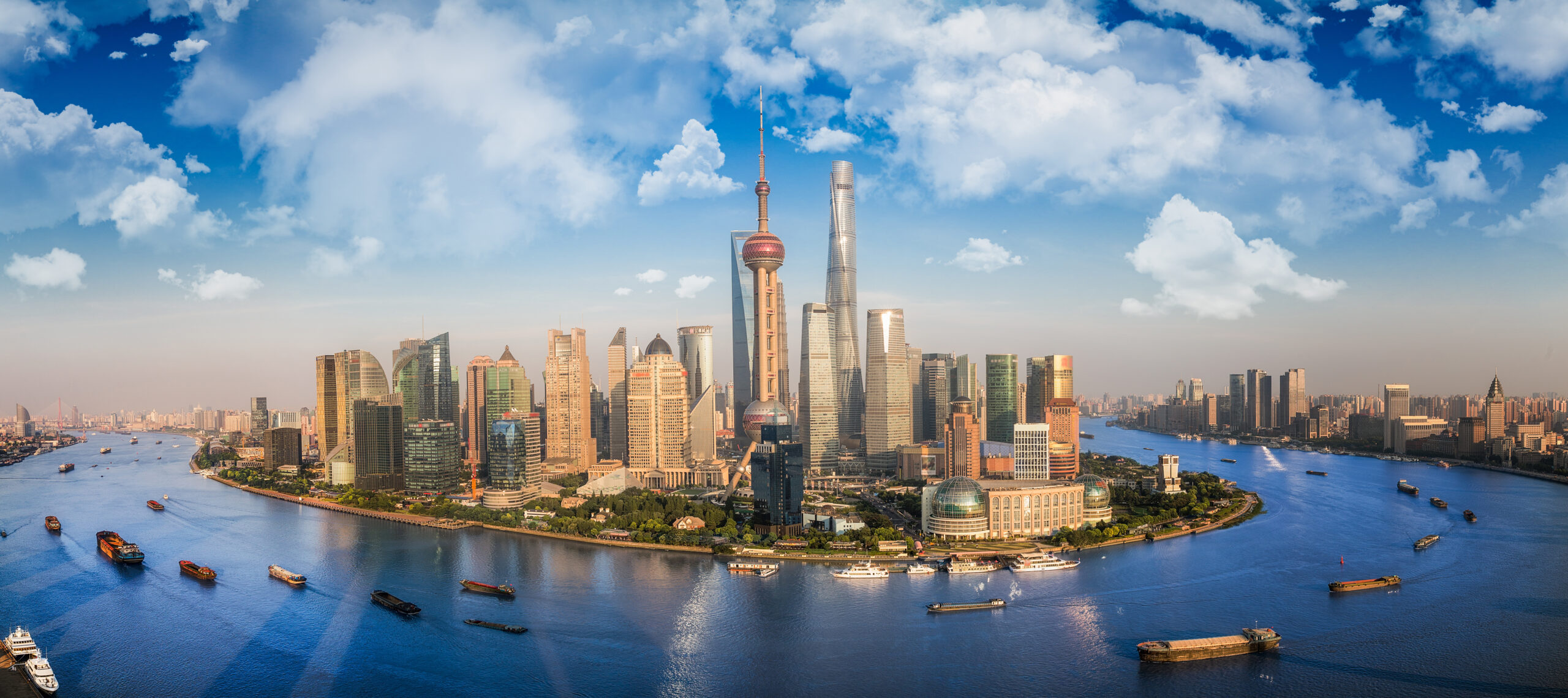
- Shanghai: This is the face of modern China. Walk along The Bund to see colonial architecture on one side and the futuristic skyline of Lujiazui on the other.
The Natural South & West
- Guilin & Yangshuo: If you want to see those famous karst mountains depicted on the 20 Yuan note, this is the place. A bamboo raft ride down the Li River is unforgettable.
- Chengdu: This is the home of the Giant Panda Breeding Research Base. Plus, the spicy hotpot here is legendary.
Getting Around
China’s infrastructure is mind-blowing. The high-speed rail network is the largest in the world and is often the best way to travel between cities.
Trains
China’s rail network is vast and efficient. These high speed trains are clean, punctual, and incredibly fast. You can travel the 1200 kms from Beijing to Shanghai in just over 4 hours! Remember – you will need your passport to buy tickets and board the train.
metro system
All major cities have massive, efficient, and inexpensive subway systems. Signs are almost always in English and Chinese, making them very tourist-friendly.
taxis and ride-hailing
The Didi app is China’s version of Uber. It is integrated into Alipay and WeChat (often with an English interface!) and is usually cheaper than hailing a random taxi off the street. You can also ask your hotel concierge to call you a taxi.
Food and Cuisine
Chinese cuisine is far more than fried rice and dumplings. With thousands of years of history and a vast landscape of climates, cultures, and traditions, China offers one of the most diverse and exciting food scenes in the world.
Eight Major Culinary Regions
Chinese food is often grouped into eight major regional styles, each with its own flavours and cooking techniques. Sichuan cuisine is famous for its bold, spicy dishes and numbing peppercorns, while Cantonese food focuses on fresh ingredients and lighter flavours, often featuring steamed dishes and dim sum. In the north, wheat-based foods like noodles and dumplings are common, while southern regions rely more on rice. Eastern coastal areas showcase seafood, and central regions are known for slow-cooked, richly seasoned meals.
Street Food Culture
One of the best ways to experience Chinese cuisine is through street food. From crispy jianbing (savory crepes) and skewered meats to fluffy bao buns and sweet tanghulu (candied fruit), street markets are full of colour, aromas, and energy. Each city has its own specialties, making food exploration a key part of travel in China.
Safety and Etiquette
China is generally a very safe destination for travellers. Violent crime against tourists is extremely rare. However, like anywhere, keep an eye out for petty theft in crowded tourist areas.
The Toilet Situation
We have to talk about it! While Western-style toilets are common in hotels and malls, traditional squat toilets are still very common in public areas. Always carry a small pack of tissues and hand sanitizer with you, as toilet paper isn’t always provided in public restrooms.
Queueing and Personal Space
In densely populated cities, the concept of personal space is different. You might find people standing closer to you in lines than you are used to. It’s not aggression; it’s just the norm.
Additional Travel Tips
The Great Firewall
Many websites and apps such as Google, Facebook, Instagram, & WhatsApp are blocked in China. If you need to stay connected to these, you must purchase and install a VPN (Virtual Private Network) like NordVPN before you arrive in China. Once you are in the country, it is often too late to download one.
Alternatively, services like Airalo or Holafly offer China-specific eSIMs that often include a VPN, allowing you to access blocked sites.
Your Adventure Awaits
China is a place that rewards curiosity. It is vast, vibrant, and full of surprises. By preparing for the digital landscape and embracing the cultural differences, you are setting yourself up for the trip of a lifetime.
We hope this guide helps you feel confident and ready to explore. Have an incredible time, and don’t forget to eat all the dumplings you can find!
Have you been to China? What surprised you the most? Share your stories with our community in the comments below! We love hearing from you.
Travel Guides.

3 Day Itinerary – SHANGHAI
This 3-day itinerary covers wheelchair-friendly landmarks, restaurants, and tips to help you make the most of your trip to Hong Kong.
Latest Posts.



Exploring the World on Wheels
Discover the world with confidence. Wheelchair accessible travel made stress free